

Are all cryptocurrencies mined
The very first cryptocurrency was Bitcoin. Since it is open source, it is possible for other people to use the majority of the code, make a few changes and then launch their own separate currency kaboo casino. Many people have done exactly this. Some of these coins are very similar to Bitcoin, with just one or two amended features (such as Litecoin), while others are very different, with varying models of security, issuance and governance. However, they all share the same moniker — every coin issued after Bitcoin is considered to be an altcoin.
These crypto coins have their own blockchains which use proof of work mining or proof of stake in some form. They are listed with the largest coin by market capitalization first and then in descending order. To reorder the list, just click on one of the column headers, for example, 7d, and the list will be reordered to show the highest or lowest coins first.
Price volatility has long been one of the features of the cryptocurrency market. When asset prices move quickly in either direction and the market itself is relatively thin, it can sometimes be difficult to conduct transactions as might be needed. To overcome this problem, a new type of cryptocurrency tied in value to existing currencies — ranging from the U.S. dollar, other fiats or even other cryptocurrencies — arose. These new cryptocurrency are known as stablecoins, and they can be used for a multitude of purposes due to their stability.
Are all cryptocurrencies based on blockchain
Of course, the records stored in the Bitcoin blockchain (as well as most others) are encrypted. This means that only the person assigned an address can reveal their identity. As a result, blockchain users can remain anonymous while preserving transparency.
Media and entertainment tokens are designed to reward engagement, support content creators, and fuel digital experiences. These tokens are commonly used in gaming, advertising, music, and streaming platforms. They help decentralise content distribution and often serve as in-platform currencies or reward mechanisms for users who participate in or contribute to the ecosystem.
A cryptocurrency is deflationary when it has a fixed supply, meaning fewer coins are created over time. Inflationary cryptocurrencies have no supply cap and continue to increase in circulation. Understanding this difference can help you assess long-term value, especially if you’re holding or trading different types of digital assets.
Simply put, a blockchain is a shared database or ledger. Bits of data are stored in files known as blocks, and each network node has a replica of the entire database. Security is ensured since the majority of nodes will not accept a change if someone tries to edit or delete an entry in one copy of the ledger.
For all of its complexity, blockchain’s potential as a decentralized form of record-keeping is almost without limit. From greater user privacy and heightened security to lower processing fees and fewer errors, blockchain technology may very well see applications beyond those outlined above. But there are also some disadvantages.
Transactions placed through a central authority can take up to a few days to settle. If you attempt to deposit a check on Friday evening, for example, you may not actually see funds in your account until Monday morning. Financial institutions operate during business hours, usually five days a week—but a blockchain runs 24 hours a day, seven days a week, and 365 days a year.
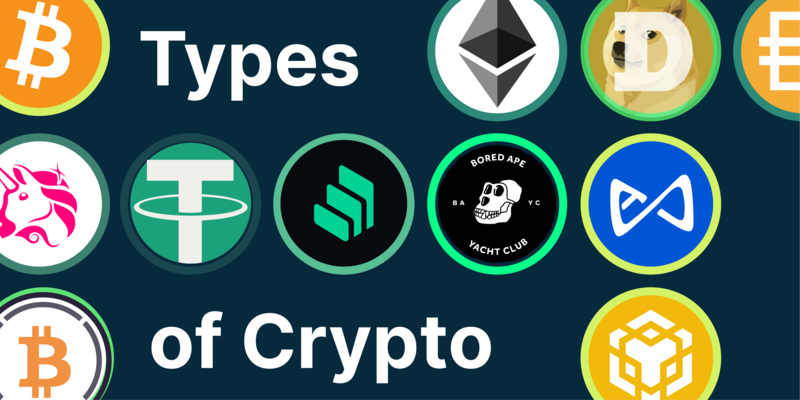
Do all cryptocurrencies use blockchain
Every node in the network proposes its own blocks in this way because they all choose different transactions. Each works on their own blocks, trying to find a solution to the difficulty target, using the «nonce,» short for number used once.
Beyond cryptocurrency, blockchain is being used to process transactions in fiat currency, like dollars and euros. This could be faster than sending money through a bank or other financial institution as the transactions can be verified more quickly and processed outside of normal business hours.
So, why are we here? To slice through the fog. This article aims to dissect the intricate dance between crypto and blockchain, spotlighting their differences, similarities, and unique quirks. Buckle up, because we’re about to clear up the difference between blockchain and cryptocurrency once and for all.
Adam Hayes, Ph.D., CFA, is a financial writer with 15+ years Wall Street experience as a derivatives trader. Besides his extensive derivative trading expertise, Adam is an expert in economics and behavioral finance. Adam received his master’s in economics from The New School for Social Research and his Ph.D. from the University of Wisconsin-Madison in sociology. He is a CFA charterholder as well as holding FINRA Series 7, 55 & 63 licenses. He currently researches and teaches economic sociology and the social studies of finance at the Hebrew University in Jerusalem.
Blockchain does not store any of its information in a central location. Instead, the blockchain is copied and spread across a network of computers. Whenever a new block is added to the blockchain, every computer on the network updates its blockchain to reflect the change.
